The Vinkšnupiai Mosque was a Tatar mosque in Lithuania that no longer exists. During the summer of 1944, in the midst of World War II, the Germans used the mosque’s wood for the construction of military fortifications. Today, only the approximate location of the mosque is known.
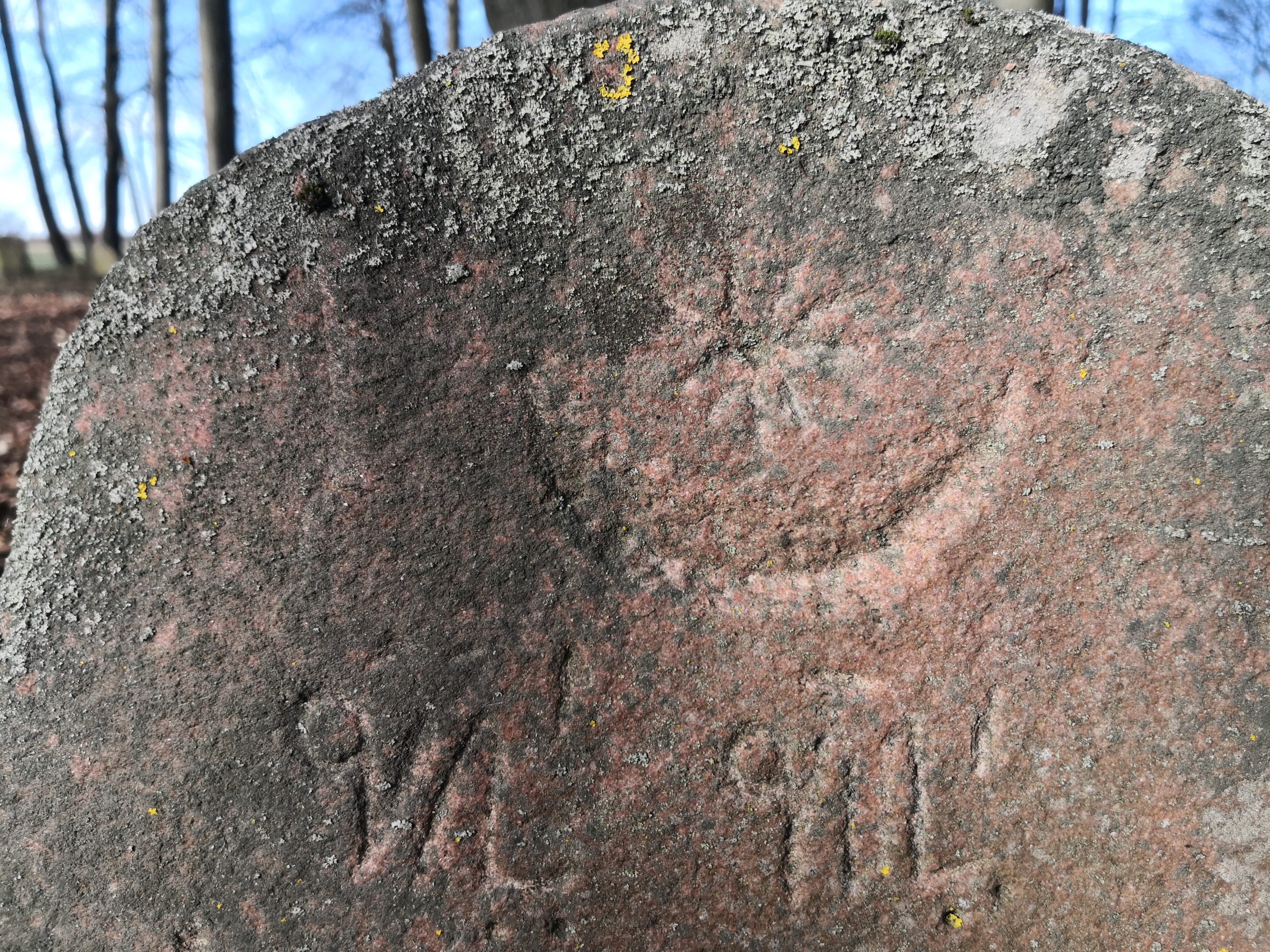
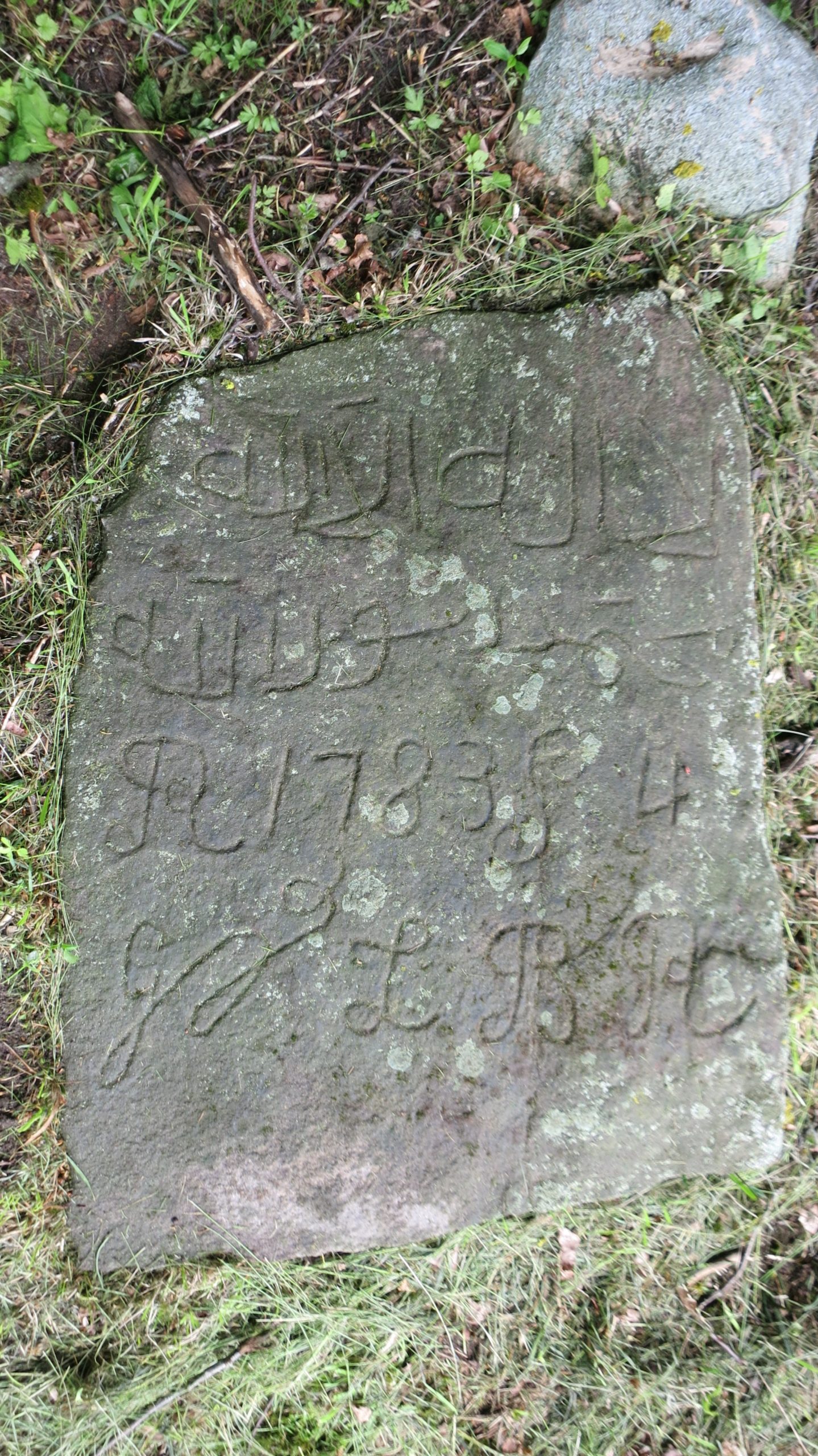
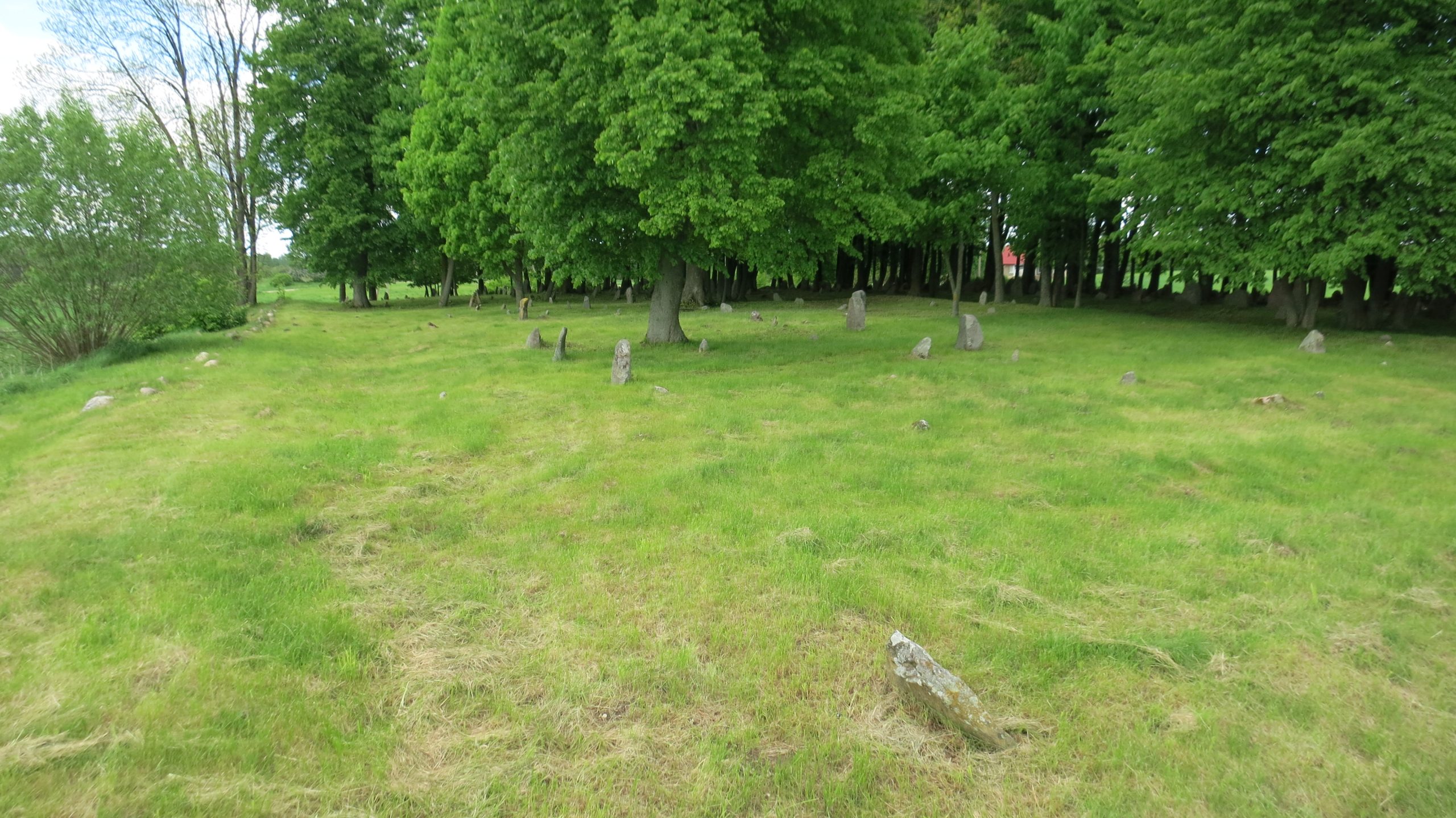
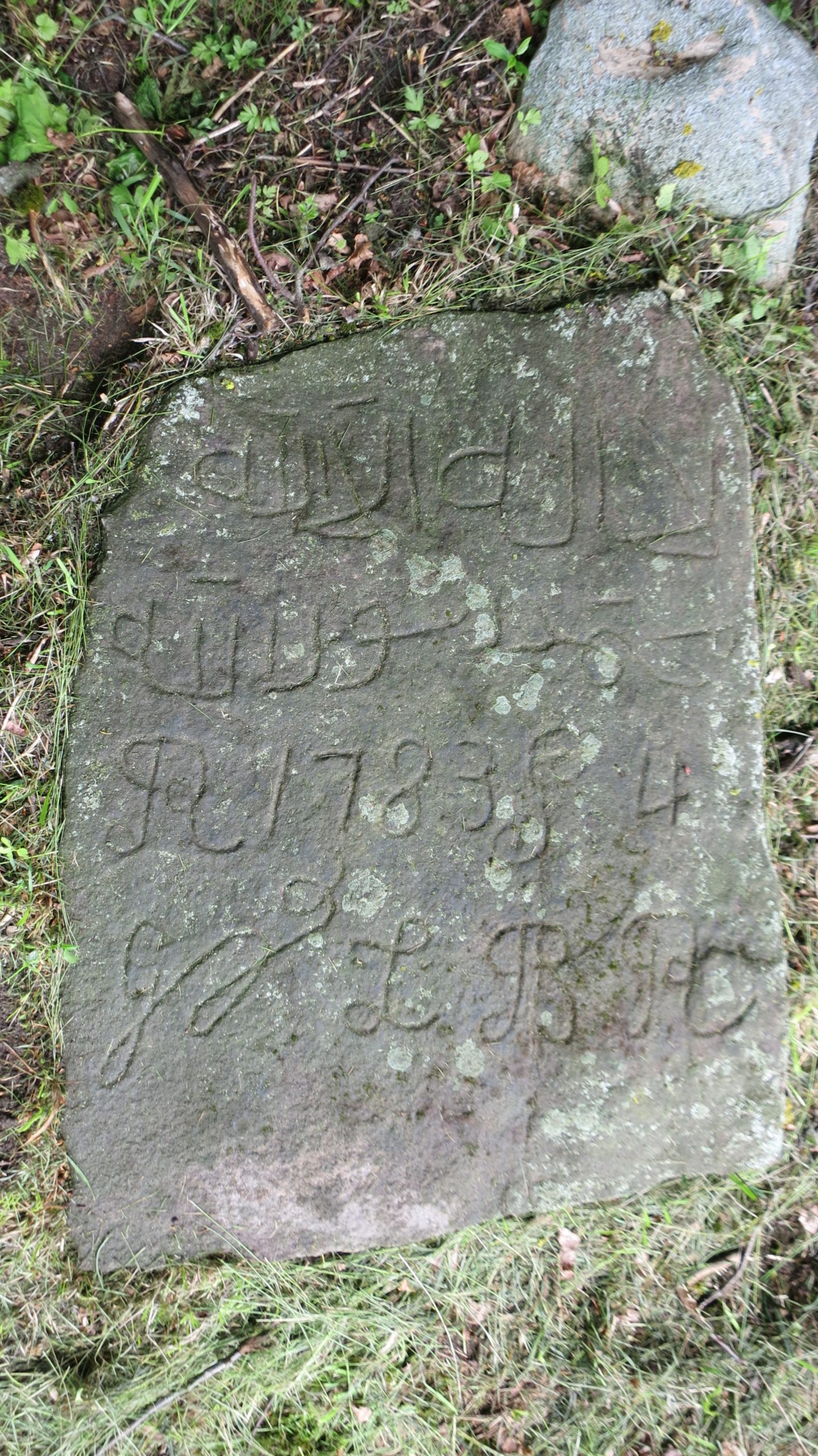
The old Tatar cemetery can still be visited. The oldest visible gravestone is dedicated to a person who passed away in 1783, proving that the area has been inhabited by Tatars for a long time, with the first wooden mosque standing there as early as the 18th century.
In 1859, the community decided to build a new brick mosque and commissioned its design. The Kalvarija County Council, with Tatar member Juozapas Ulanas, took charge of securing funds from the state treasury.
In 1861, a brick mosque was designed in Warsaw for the Vinkšnupiai cemetery, but the project was never realized.
In 1863, government approval was obtained to cover half of the construction costs, but the decision was opposed by the governor of the Kingdom of Poland, who ordered the project to rely solely on parish funds.
In the 1882 gazetteer “Słownik Geograficzny,” Vinkšnupiai is mentioned as a village where the only wooden mosque in the Kingdom of Poland stood, albeit in poor condition (“ubogi”).
It seems that around that time, the mosque was either reconstructed or rebuilt and continued to serve the community until it was destroyed during World War II.